
How to build discipline is one of the most important skills you can develop if you want to succeed in any area of life.
Whether it’s improving your health, growing your income, staying consistent with habits, or building confidence, discipline sits at the foundation of everything.
Most people believe discipline is something you’re either born with or not.That belief is wrong.
Discipline is trained, not gifted. And once you understand how it actually works, building it becomes far more realistic than people make it seem.
This guide will help you understand discipline deeply, apply it practically, and sustain it long-term—without burning out or hating your life.
How to Build Discipline by Understanding What Discipline Really Is
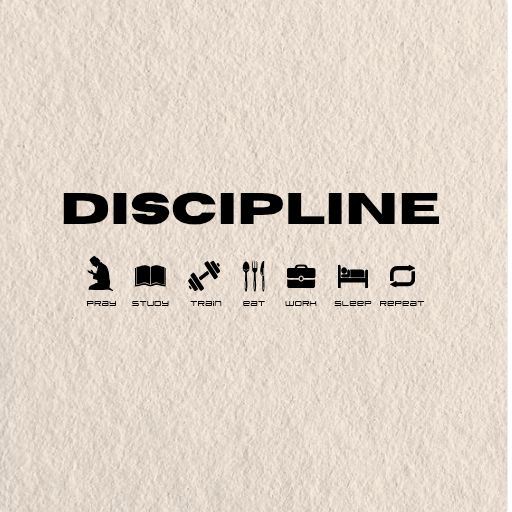
Before learning how to build discipline, you must understand what discipline actually means.
Discipline is the ability to:
- Delay short-term pleasure
- Stick to long-term goals
- Do the right thing repeatedly, even when it’s uncomfortable
Discipline is not talent.
Discipline is not genetics.
Discipline is a skill, and like any skill, it can be trained.
Once you understand this, the process of how to build discipline becomes much simpler and more realistic.
Why Most People Struggle With Discipline
The problem isn’t laziness.
The real issue is lack of clarity and structure.
Most people:
- Set vague goals
- Depend on motivation
- Overload themselves with unrealistic plans
- Quit after missing a few days
Discipline breaks when expectations are too high and systems are too weak.
To fix this, you need to work with your psychology, not against it.
Start With a Clear Reason That Actually Matters
No one stays disciplined for shallow reasons.
If your goals don’t emotionally connect with you, discipline will always feel forced.
Ask yourself:
- What kind of person do I want to become?
- What will my life look like if I stay undisciplined for the next 5 years?
- What opportunities am I losing by staying inconsistent?
Strong reasons create emotional leverage.
And emotional leverage fuels disciplined action.
Build Discipline by Starting Smaller Than You Think
One of the biggest mistakes people make is trying to change everything at once.
They suddenly want to:
- Wake up early
- Eat clean
- Exercise daily
- Work long hours
- Quit bad habits
This approach leads to burnout.
Instead, discipline grows fastest when you start embarrassingly small.
- 5 minutes of exercise
- One focused task per day
- One habit at a time
Small actions done consistently train your brain to trust yourself.
That trust is the backbone of discipline.
Discipline thrives in structure.This is one of the most underrated principles of how to build discipline.
Create Systems That Make Discipline Automatic

Relying on willpower is a losing game.
Willpower fluctuates based on stress, sleep, and mood.
Systems, on the other hand, work even on bad days.
Examples of simple systems:
- Fixed time for deep work
- Phone away during focus hours
- Pre-planned meals
- Habit stacking (new habit after an existing one)
When your environment supports your goals, discipline requires far less effort.
Identity Is the Real Source of Discipline
Your actions follow your self-image.
If you see yourself as someone who quits easily, you will.
If you see yourself as someone who shows up no matter what, you’ll act accordingly.
Instead of focusing only on outcomes, focus on becoming:
- Someone who keeps promises
- Someone who finishes what they start
- Someone who respects their own word
Every disciplined action reinforces this identity.Over time, discipline becomes natural rather than forced.
Reduce Instant Gratification to Increase Self-Control
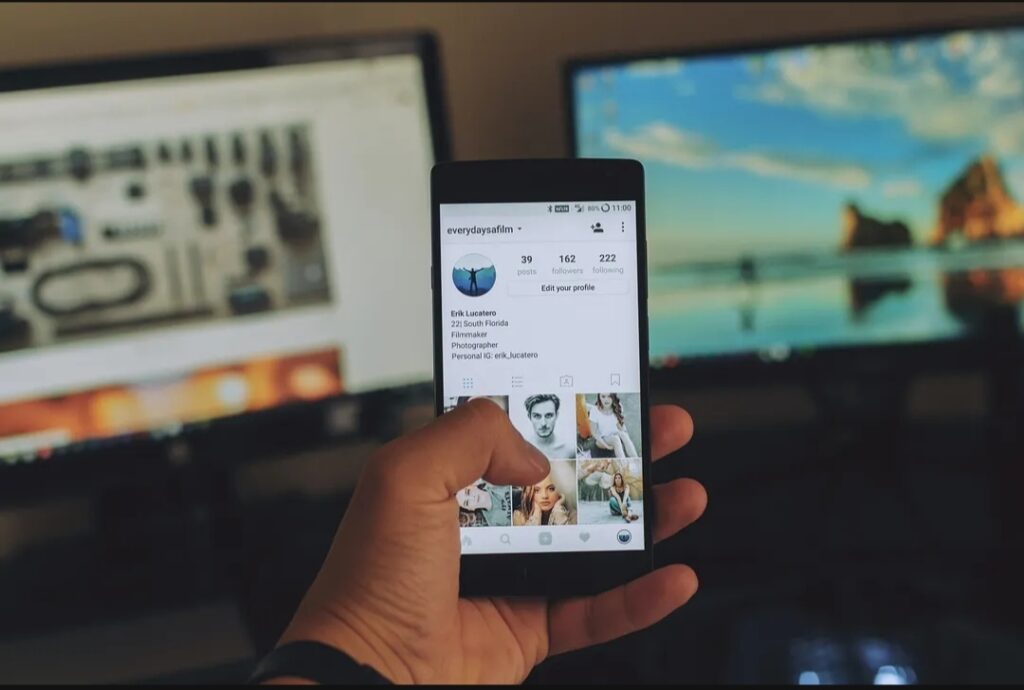
Modern life is designed to destroy discipline.
Constant notifications, endless scrolling, junk food, and binge content keep your brain addicted to quick dopamine.
To build discipline, you must intentionally reduce:
- Mindless social media use
- Excessive entertainment
- Constant distractions
This doesn’t mean removing all pleasure—it means controlling it instead of being controlled by it.
When your brain isn’t overstimulated, focus and discipline return naturally.
Structure Your Day to Support Consistency
Chaos kills discipline.
You don’t need a perfect routine, but you do need structure.
A simple daily framework might include:
- Consistent wake-up and sleep times
- Dedicated work blocks
- Planned breaks
- Time for health and reflection
When your days are predictable, disciplined behavior becomes easier to repeat.
Design your surroundings to support discipline.This makes how to build discipline much easier and more sustainable.
Track Progress to Build Momentum
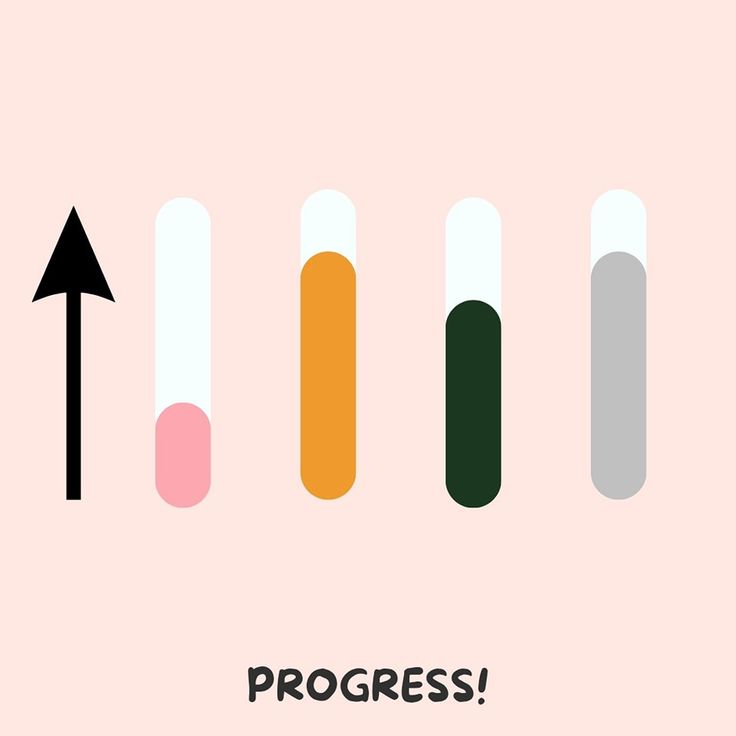
Discipline grows when you can see progress.
Tracking:
- Habit streaks
- Tasks completed
- Time spent on important work
This creates psychological momentum.Momentum makes consistency addictive.
Even small wins, when tracked, reinforce disciplined behavior.
Learn to Act Even When You Don’t Feel Like It
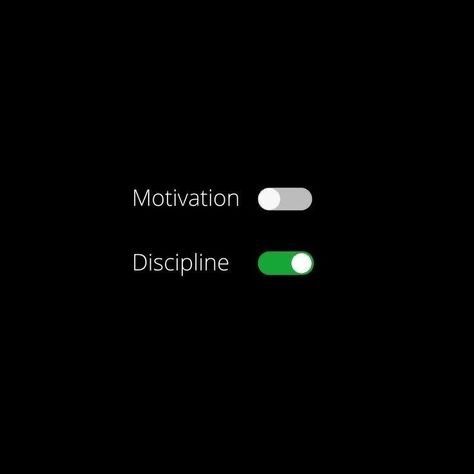
Waiting for motivation is a trap.
There will be days when:
- You feel tired
- You feel bored
- You feel unmotivated
On those days, discipline means showing up anyway—even at 30% effort.
Doing something is always better than doing nothing.Consistency matters more than intensity.
This balanced approach is crucial in how to build discipline sustainably.
Doing something small is still progress.This mindset is essential in learning how to build discipline for real life.
Use Discomfort as a Training Tool
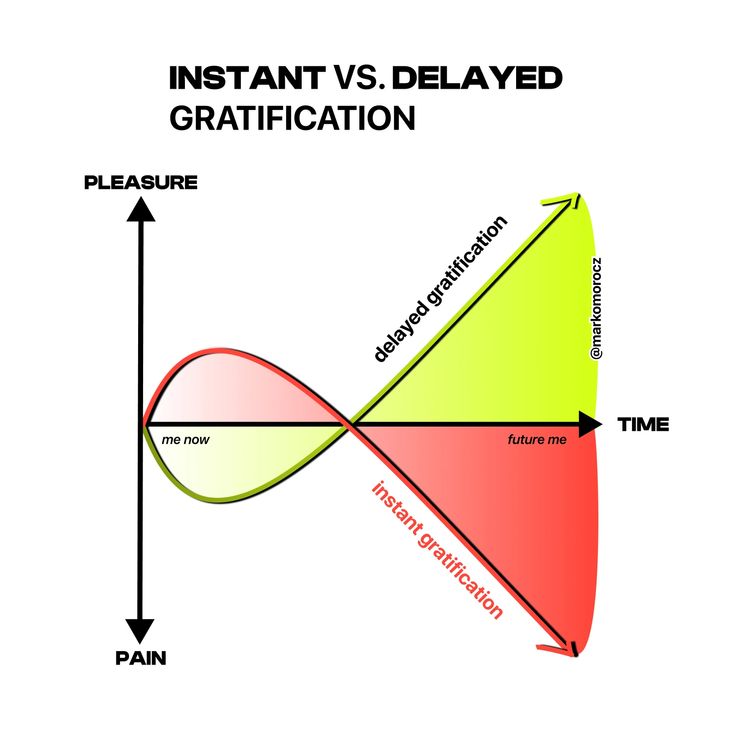
Discipline strengthens when you do uncomfortable things on purpose.
This could include:
- Hard workouts
- Focused work sessions
- Saying no to Distraction
- delaying gratification
Each time you choose discomfort over comfort, you build mental toughness.
Discipline is a muscle—the more you train it, the stronger it gets.
If you want to master how to build discipline, stop avoiding discomfort—use it as training.
Be Patient and Play the Long Game
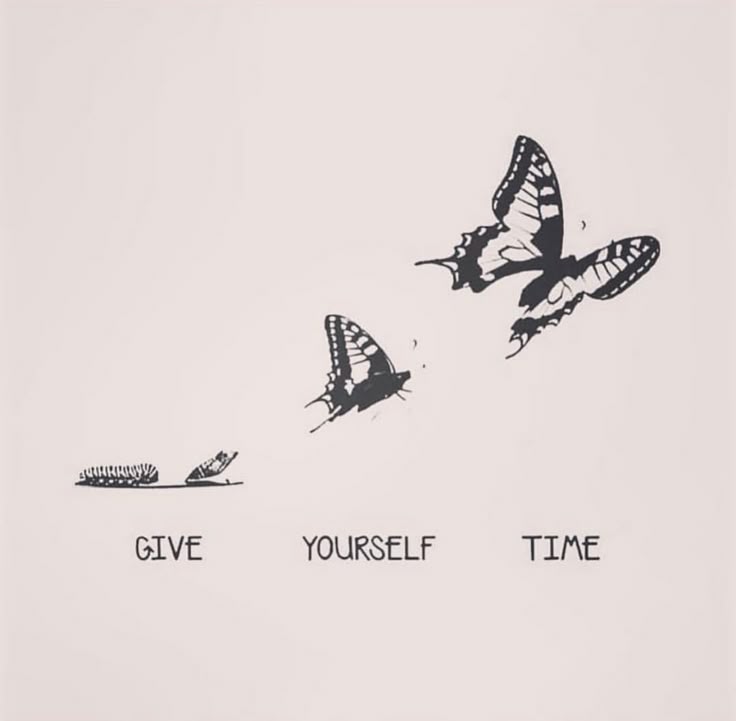
Discipline doesn’t change your life overnight.
It works quietly in the background, compounding daily.
Missed days will happen.Failures will occur.
What matters is returning without self-judgment.
Long-term discipline is built through patience, forgiveness, and persistence.
When you master how to build discipline, you master your life.
Final Thoughts
How to build discipline is not about becoming perfect. Discipline is not about becoming extreme or robotic.
It’s about becoming dependable—to yourself.
When you consistently do what you said you would do, confidence grows.When confidence grows, life changes.
Start small.Stay consistent.Respect your own word.
That’s how discipline is built—and that’s how lives are transformed.
Thanks! Keep Improving !
Also Read :