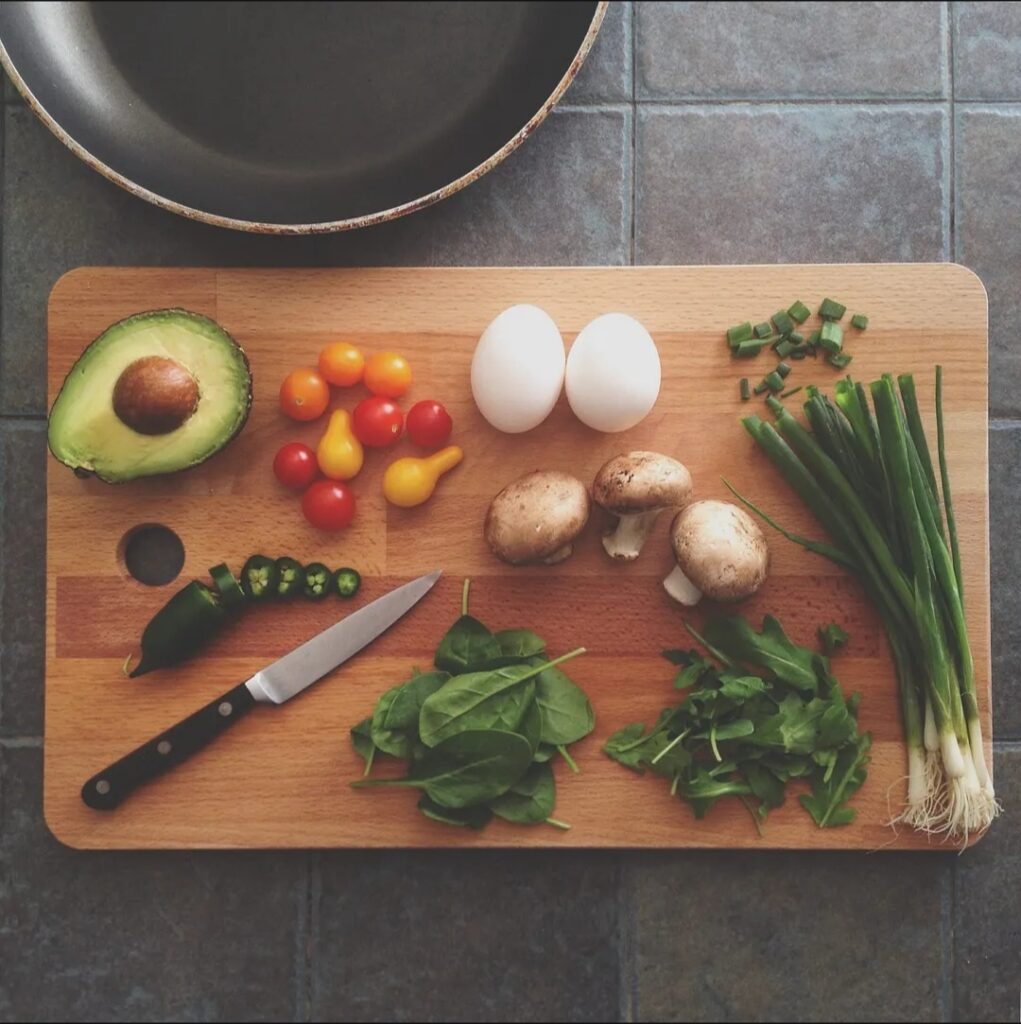
Weight loss has never been about starving yourself.
Yet every year, people repeat the same mistakes — crash diets, extreme restrictions, miracle supplements — and wonder why nothing sticks.
As we step into 2026, one thing is crystal clear:the best diet for weight loss is the one you can sustain without ruining your health, energy, or sanity.
This guide isn’t written to sell shortcuts.It’s written to help real people lose fat, build discipline, and feel confident in their bodies — for the long term.
Whether you’re a beginner or someone who has “failed” multiple diets before, this article will walk you through exactly how to eat for fat loss in 2026, using modern nutrition science, real-world experience, and practical habits that fit into daily life.
1. Why Most Diets Fail (And Why Yours Doesn’t Have To)
Before talking about what to eat, we need to fix how you think about dieting.
Most diets fail because they focus on:
- Temporary motivation
- Extreme calorie cuts
- Eliminating entire food groups
- Ignoring lifestyle, sleep, and stress
Weight loss isn’t a 30-day challenge.
It’s a skill you build.
In 2026, successful weight loss diets are built around:
- Metabolic health
- Hormonal balance
- Muscle preservation
- Long-term adherence
If your diet makes you miserable, exhausted, or socially isolated — it’s already broken.
2. The Core Principle of Weight Loss (Still True in 2026)
No matter how advanced nutrition science becomes, one rule remains undefeated:
You must be in a calorie deficit to lose fat.
But here’s the part most people miss:
A calorie deficit does not mean eating as little as possible.
It means eating just enough to lose fat while keeping energy, strength, and mental clarity high.
The smartest approach in 2026:
- Small, consistent calorie deficit
- High protein intake
- Whole, minimally processed foods
- Flexible structure (not rigid rules)
3. Protein: The Foundation of Any Fat Loss Diet
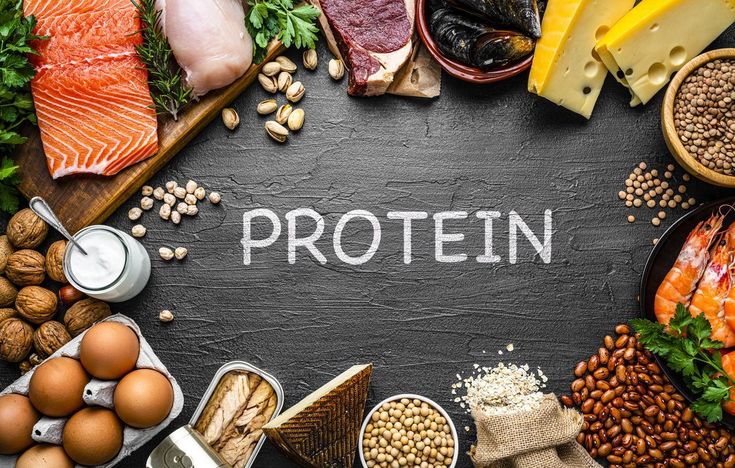
If there’s one nutrient you should prioritize above all else, it’s protein.
Why protein matters for weight loss:
- Keeps you full for longer
- Preserves muscle during fat loss
- Boosts metabolism slightly (higher thermic effect)
- Reduces cravings and binge eating
How much protein should you eat?
A practical guideline:
- 0.7–1 gram per pound of goal body weight OR
- 1.6–2.2 g per kg of body weight
Best protein sources in 2026:
- Eggs
- Chicken breast or thighs
- Fish (especially fatty fish like salmon)
- Greek yogurt
- Paneer (for vegetarians)
- Lentils, chickpeas, beans
- Whey or plant protein (as support, not replacement)
Protein is not optional.It’s non-negotiable if fat loss is your goal.
4. Carbohydrates: Friend, Not the Enemy
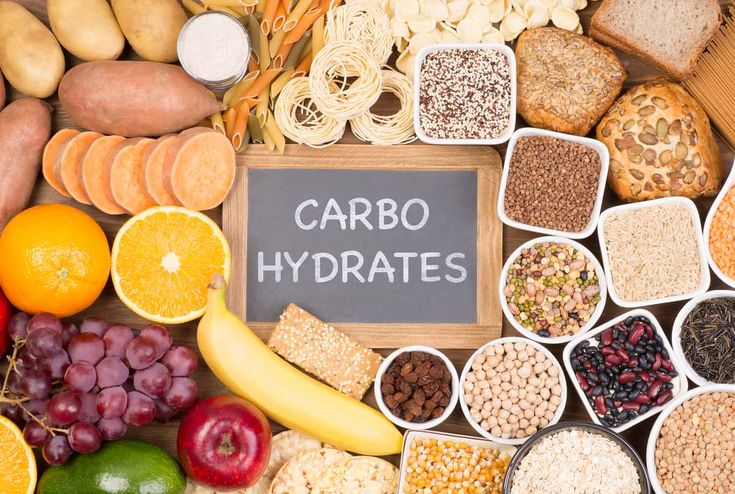
Carbs have been blamed for obesity for decades — unfairly.
In reality, carbohydrates are fuel, especially if you train, walk a lot, or live an active life.
The key is carb quality, not carb elimination.
In 2026, the best weight-loss diets focus on:
- High-fiber carbs
- Low glycemic load
- Proper timing (around activity)
Smart carb choices:
- Rice (portion-controlled)
- Oats
- Potatoes
- Fruits
- Vegetables
- Whole grains
Carbs become a problem when they come from:
- Sugary drinks
- Ultra-processed snacks
- Liquid calories
- Constant mindless eating
You don’t need low-carb.You need smart-carb.
5. Fats: Essential for Hormones and Satiety
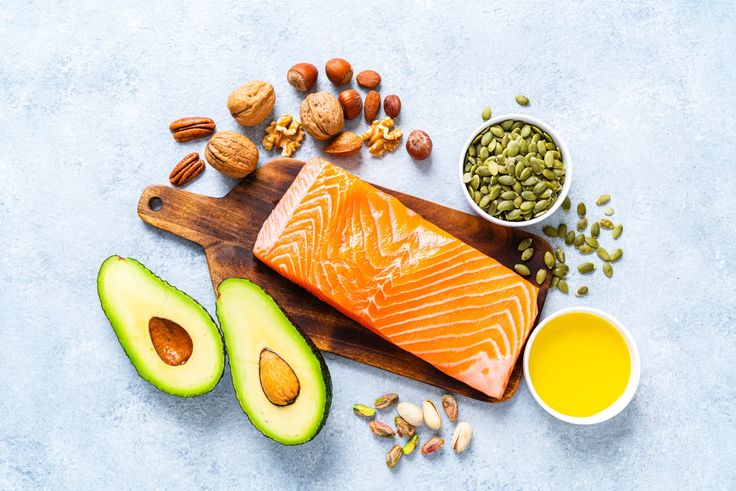
Fat doesn’t make you fat.Overeating calories does.
Dietary fat is crucial for:
- Hormone production
- Brain health
- Joint support
- Feeling satisfied after meals
Best fat sources:
- Nuts and seeds
- Olive oil
- Ghee (in moderation)
- Avocados
- Fatty fish
Avoid completely cutting fats — it often leads to hormonal issues, low energy, and rebound weight gain.
6. Meal Structure That Works in Real Life
Forget perfect meal timing.
In 2026, the best meal structure is the one that:
- Fits your schedule
- Controls hunger
- Supports consistency
A simple, effective structure:
- 2–4 meals per day
- Each meal includes protein
- Vegetables at least twice daily
- One flexible meal to avoid burnout
Intermittent fasting can work, but it’s not mandatory.
Fat loss depends on calories and adherence — not eating windows.
What a Realistic Fat Loss Plate Looks Like:
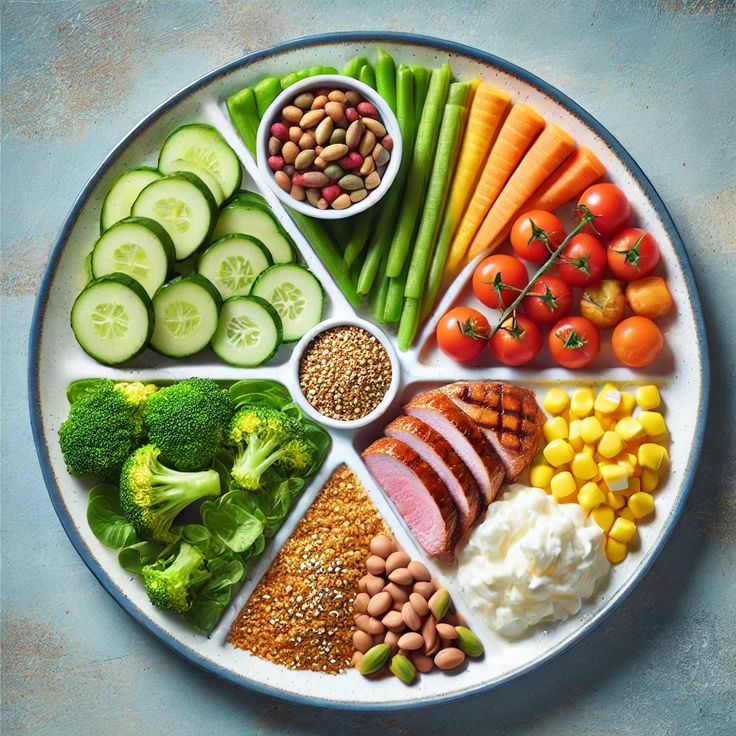
At each main meal:
- 40–50% protein
- 30–40% vegetables
- 10–20% carbs/fats (based on preference)
This naturally controls calories without obsessive tracking.
7. The Role of Fiber and Gut Health in 2026
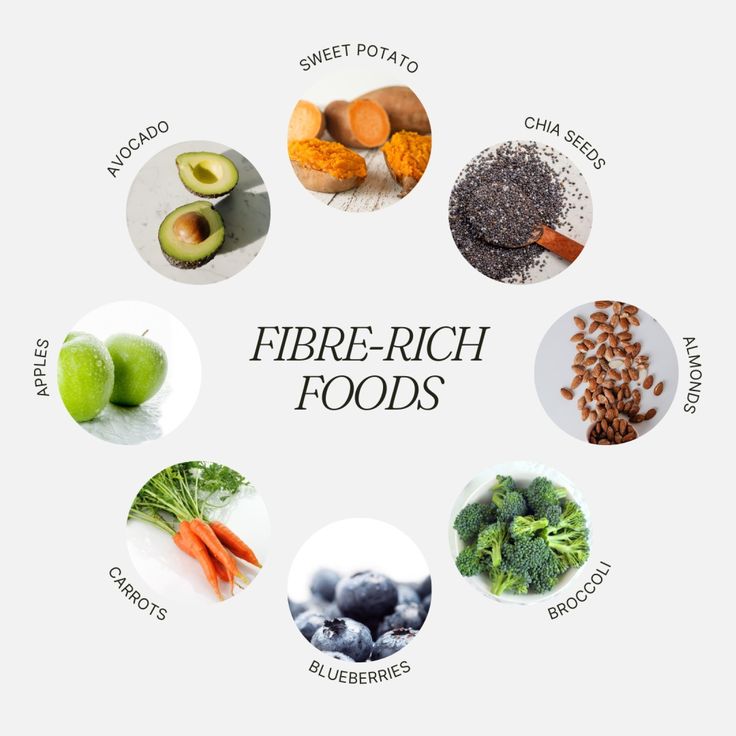
Modern research shows that gut health plays a massive role in weight management.
Fiber:
- Improves digestion
- Stabilizes blood sugar
- Reduces inflammation
- Helps control appetite
High-fiber foods to include:
- Vegetables
- Fruits
- Legumes
- Seeds
- Whole grains
Aim for 25–35 grams of fiber per day.
8. Hydration: The Most Ignored Fat Loss Tool
Many people mistake thirst for hunger.
Proper hydration:
- Improves metabolism
- Reduces overeating
- Supports workouts
- Enhances recovery
A simple rule:
- 2.5–3.5 liters of water daily
- More if you train or live in a hot climate
Avoid sugary beverages — they sabotage fat loss silently.
9. Supplements: Helpful, Not Magical
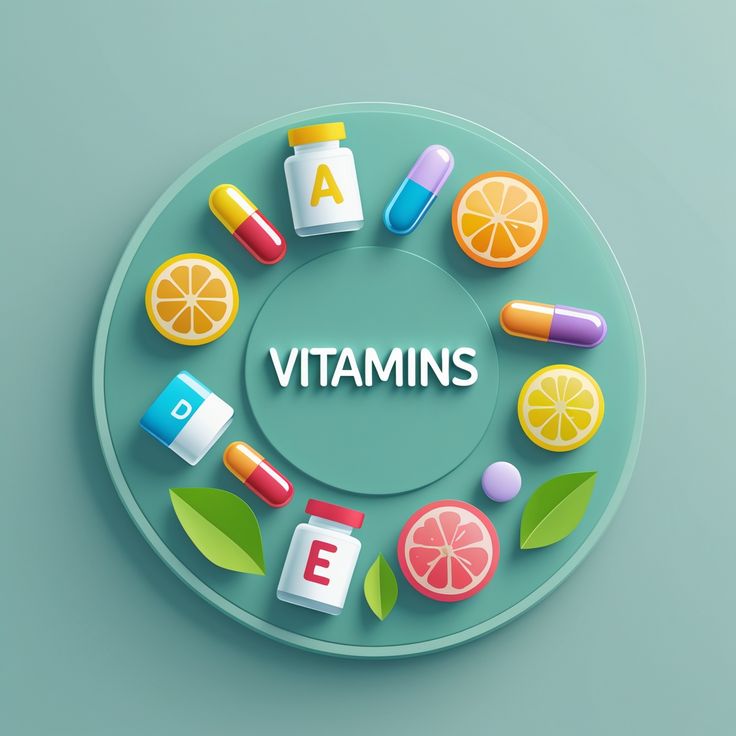
In 2026, supplements are support tools, not solutions.
Useful supplements (optional):
- Whey protein
- Creatine (supports muscle & metabolism)
- Omega-3
- Vitamin D (if deficient)
- Magnesium (sleep & recovery)
If your diet is poor, supplements won’t save you.
10. Common Diet Mistakes That Stall Weight Loss
Avoid these if you want results:
- Eating too little for too long
- Skipping protein
- Over-snacking on “healthy” foods
- Liquid calories
- No strength training
- Poor sleep
Fat loss happens outside the kitchen too.
11. Mindset: The Real Difference Between Success and Failure
The most underrated part of dieting is mindset.
Successful people:
- Think in months, not days
- Expect slow progress
- Build habits, not motivation
- Don’t quit after bad days
Your diet doesn’t need to be perfect.It needs to be repeatable.
12. A Sustainable Weight Loss Diet Is Boring — And That’s Good
Consistency beats excitement.
If your diet:
- Feels simple
- Feels boring
- Feels manageable
You’re doing it right.
13. Final Thoughts: How to Lose Weight and Keep It Off in 2026
Weight loss in 2026 isn’t about hacks.
It’s about:
- Eating enough protein
- Staying in a mild calorie deficit
- Choosing whole foods
- Managing stress and sleep
- Training your body
- Training your mind
When you stop chasing fast results and start building discipline, fat loss becomes a side effect — not a struggle.
Your body doesn’t need punishment.It needs structure, patience, and consistency.
Also Read :
1.Here’s How to Build An Aesthetic V-Tapered Physique.
2. How to Get a Sharp Jawline: Become Attractive & Confidence
https://digitalmindsfitness.com/how-to-get-a-sharp-jawline-become-attractive-and-confident/
Thank you ! Happy Learning!