Most people get stuck because they’re trying to learn a skill.
They say things like:
- “I’m learning coding.”
- “I’m learning writing.”
- “I’m learning marketing.”
And then months pass…Nothing changes.
No income.
No confidence.
No real progress.
Here’s the uncomfortable truth:
You don’t actually learn a skill.You acquire techniques — one by one — while building something real.
Once you understand this, growth becomes faster, clearer, and way less overwhelming.
Let’s break it down.
The Biggest Lie About Skill Building
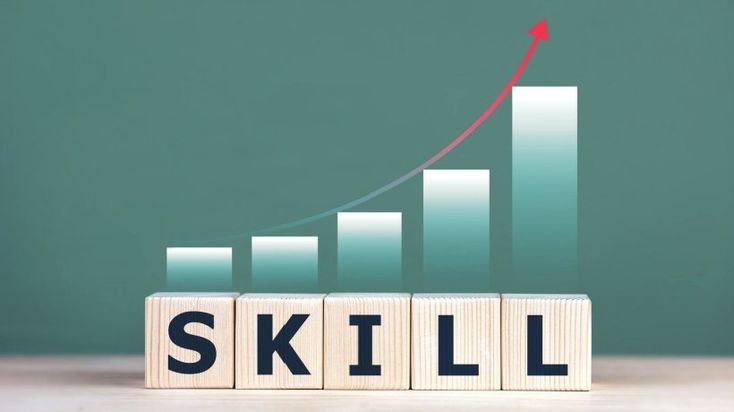
We’ve been conditioned to believe that skills are these big, complete things you must master before using them.
Like:
- Finish a full course
- Get a certificate
- Read 10 books
- Feel “ready”
But in real life, that’s not how skills are built.
Skills are not learned in isolation.They are formed through action, pressure, and repetition.
Think about it.
Nobody learns:
- Fitness before going to the gym
- Business before starting something
- Confidence before taking action
They build pieces, fail, adjust, and continue.
That’s where techniques come in.
What You’re Actually Learning (Whether You Realize It or Not)
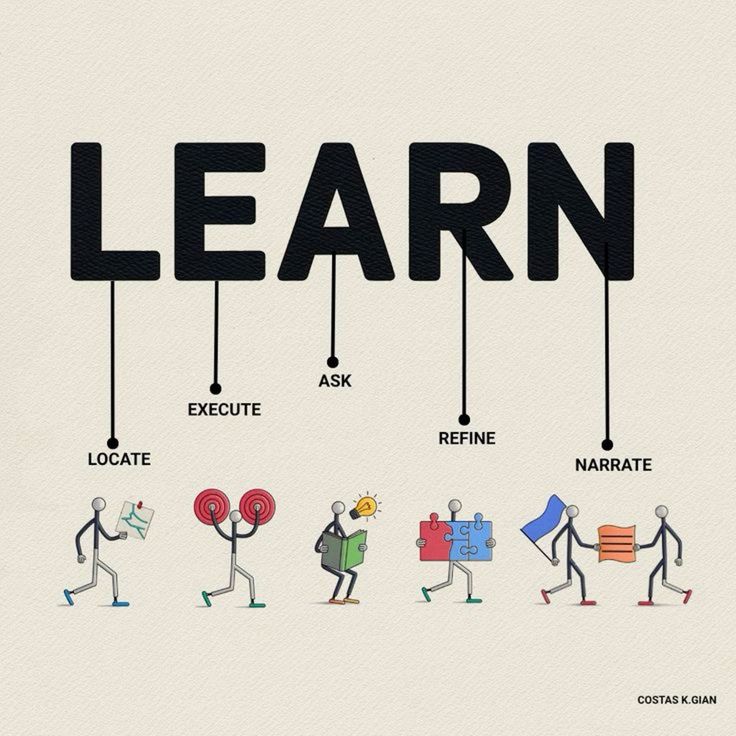
A technique is a small, practical action that produces a result.
For example:
- Writing a compelling headline
- Structuring a blog post
- Editing a video cut
- Setting up a landing page
- Running a basic ad
- Talking to customers
None of these are “skills” on their own.
But stack enough of them together?
You suddenly look “skilled.”
Example: Writing Isn’t One Skill
People think writing is one skill. It’s not
It’s a combination of techniques:
- Hook writing
- Clear sentence flow
- Storytelling
- Editing
- Structuring ideas
- Emotional language
Master 2–3 of these, and you’re already better than 90% of people online.
Why Projects Accelerate Learning Faster Than Courses
Courses teach theory first, application later.
Projects flip that:
- Action first
- Learning on demand
- Feedback in real time
When you build a project:
- A blog
- A YouTube channel
- A fitness transformation
- A side hustle
- A digital product
You’re forced to learn only what matters.
No fluff. No wasted time. No information overload.
You don’t ask:
> “What should I learn?”
You ask:
> “What do I need right now to move forward?”
That question changes everything.
The Technique-First Learning Model
Here’s a simple way to think about it:
- Choose an outcome
- Start building toward it
- Learn techniques as obstacles appear
- Practice them immediately
- Stack them over time
That’s it.
No complicated systems. No perfection. No waiting.
Example: Starting an Online Blog
You don’t “learn blogging.”
You learn:
- How to choose a topic
- How to write a post
- How to format it for WordPress
- How SEO basics work
- How to improve clarity
- How to promote it
Each step introduces a new technique.
Eventually, you look back and realize:
> “Oh… I actually became good at this.”
Why Mastery Feels Invisible While You’re Building It
This is why most people quit too early.
Techniques don’t feel impressive in isolation.
Writing one headline? Doesn’t feel like progress.
Editing one article? Feels boring.
Learning one SEO rule? Feels insignificant
But compounding is invisible at first.
Just like fitness:
One workout doesn’t change your body
But consistency changes everything
Skills work the same way.
Confidence Comes From Combination, Not Knowledge
Here’s something no one talks about:
Confidence doesn’t come from knowing more.It comes from combining what you know under pressure.
That’s why:
- Course collectors feel stuck
- Action takers improve faster
When you combine techniques:
- Writing + marketing
- Fitness + discipline
- Mindset + execution
- AI tools + creativity
You become dangerous in a good way.
Not because you’re perfect —But because you’re functional.
Stop Trying to “Prepare” — Start Building
Preparation feels productive.
But preparation without execution is just fear wearing a mask.
You don’t need:
- More motivation
- Another course
- More clarity
You need:
- One project
- One direction
- One imperfect start
The project will force clarity.
How to Apply This to Any Area of Life
1. Choose One Outcome
Not ten. Not five.
One.
Examples:
- Build a blog that earns
- Get in the best shape of your life
- Learn a high-income skill
- Build discipline and focus
2. Start Ugly
Your first version should embarrass you.
That’s a good sign.
3. Learn Only What You Need Next
Not everything. Just the next technique.
4. Repeat and Stack
Progress is stacking small wins, not chasing big breakthroughs.
The People You Admire Did This Too
Every successful person you admire:
- Built projects before they felt ready
- Learned techniques along the way
- Failed publicly and quietly
- Improved through repetition
They weren’t smarter. They didn’t have more resources.
They just didn’t wait.
Final Thought: Build First, Learn Forever
Stop asking:
> “What skill should I learn?”
Start asking:
> “What am I building?”
Skills emerge naturally when the goal is real.
Projects turn information into experience.Techniques turn effort into progress.Consistency turns small actions into mastery.
You don’t need permission. You don’t need perfection.
You just need to start stacking techniques — one project at a time.